
Attic insulation is the most cost-effective upgrade for reducing heating and cooling costs in a Rome, NY home, because heat escapes through the roof faster than through any other part of the building. If your upstairs rooms stay cold in January and overheat in July, the attic is usually the reason.
Central New York winters put steady pressure on a building’s thermal envelope. Snow load, ice dams, and temperature swings between seasons expose weak points in older insulation, especially in homes where the original material has settled, shifted, or absorbed moisture over the decades.
At Highbridge Spray Foam, we install spray foam and blown-in insulation in attics throughout Rome and the surrounding area.
Why Attic Insulation Matters For Rome, NY Properties

Rome sits in Climate Zone 6A, where winter temperatures regularly drop into the single digits and summer humidity climbs above 70%. An underinsulated attic drives up heating costs, contributes to ice dam formation along roof edges, and leaves upper-floor rooms uncomfortable in every season.
Preventing Heat Loss And Ice Dams
Heat rises, and in a poorly sealed attic it escapes through gaps around recessed lights, plumbing stacks, chimney chases, and the top plates of exterior walls. We commonly find Rome-area attics with R-19 or less — well below the R-49 to R-60 the Department of Energy recommends for this region.
That escaping heat warms the roof deck. Snow melts, runs down to the cold eave, and refreezes into an ice dam that forces water back under the shingles.
Spray foam addresses both halves of the problem at once:
- Air sealing stops the convective heat loss that fiberglass batts alone cannot block
- Consistent R-value keeps the roof deck cold enough to prevent the melt-refreeze cycle
- Moisture control with closed-cell foam limits condensation on cold framing members
Improving Year-Round Indoor Comfort
Temperature swings between floors are one of the most common complaints we hear from Rome homeowners.
Bedrooms over an uninsulated attic floor can run 8 to 12 degrees warmer than the first floor in July, and noticeably colder in January.
Sealing the attic reduces the stack effect that pulls conditioned air out of the living space and draws humid or dusty air in through the basement and wall cavities.
The practical results:
| Issue | What changes after air sealing and insulation |
|---|---|
| Second-floor overheating | More even temperatures between floors |
| Drafts near ceilings and light fixtures | Reduced air movement through the ceiling plane |
| HVAC short cycling | Longer, steadier run times and less equipment wear |
| Airborne dust and pollen | Fewer unfiltered pathways into the home |
Homes with ductwork in the attic see the largest change, since a sealed and insulated attic brings those ducts inside the conditioned envelope.
Why Choose Us?
Choosing the right team for your attic insulation can make a huge difference in your home’s comfort, energy bills, and safety. At Highbridge Spray Foam, we make it simple, effective, and worry-free.
Customized
Solutions
Every attic is unique. We inspect your space and recommend the insulation solution that fits your home perfectly.
Experienced
& Professional Team
Our certified crew has years of experience installing attic insulation. We handle every project carefully, cleanly, and safely.
Energy Savings &
Comfort
Our attic insulation helps your home stay warmer in winter and cooler in summer. You’ll enjoy more even temperatures, fewer drafts, and lower energy bills.
Improve Your Home’s Comfort with Attic Insulation
Your home in Rome, NY should feel comfortable year-round. Without proper attic insulation, your home can lose heated or cooled air through the attic, making it harder to maintain a consistent indoor temperature. You may notice certain rooms feeling too warm or too cold, drafts around the house, and your energy bills gradually increasing. Proper attic insulation helps reduce heat transfer, improve indoor comfort, and support better energy efficiency throughout the seasons. You don’t have to settle for discomfort — your attic can work for you.
Attic Insulation Explained
Attic insulation helps prevent unwanted heat transfer between your living space and the attic. It helps keep warm air inside during the winter and limits excess heat from entering your home during the summer. With proper insulation, your home can maintain more even temperatures while reducing the workload on your heating and cooling system.

Spray Foam Solutions From Highbridge Spray Foam
We install both closed-cell and open-cell spray foam in Rome attics, matching the product to the roof deck, framing depth, and moisture conditions we find on site. Every job starts with an inspection and ends with a clean, code-conscious installation.
Closed-Cell And Open-Cell Options
Closed-cell foam is the denser of the two, running roughly R-6 to R-7 per inch. It resists water vapor, adds rigidity to the framing, and works well on roof decks, rim joists, and any attic area exposed to Central New York’s freeze-thaw cycles.
Open-cell foam expands more aggressively, filling irregular cavities and reaching about R-3.5 to R-4 per inch. It costs less per board foot and absorbs sound, making it a practical choice for attic floors and knee walls in finished spaces.
| Closed-Cell | Open-Cell | |
|---|---|---|
| R-value per inch | ~6–7 | ~3.5–4 |
| Vapor control | Yes, at sufficient thickness | No, needs separate retarder |
| Best attic use | Roof decks, rim joists | Attic floors, knee walls |
We explain which option fits your attic before any material is ordered.
Professional Assessment And Installation Process
We begin with an on-site walkthrough of your attic. That means checking existing insulation depth, looking for air leaks at top plates and can lights, noting any moisture staining, and confirming whether your ventilation setup should stay or be sealed off.
From there we provide a written scope with foam type, thickness, and target R-value.
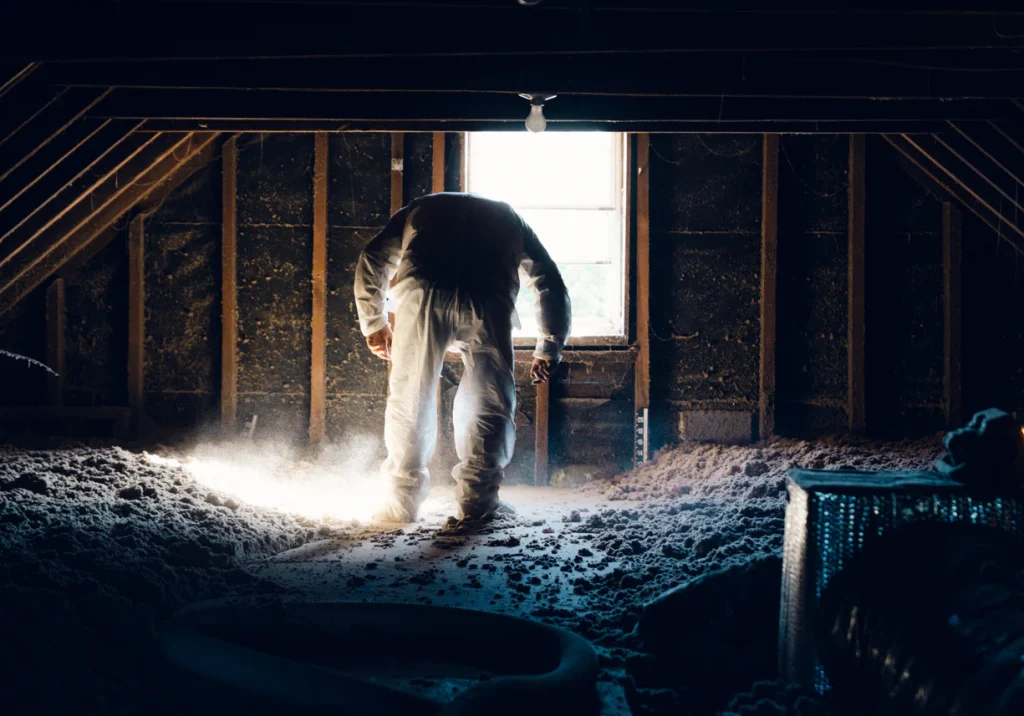
On installation day, our crew masks off living areas, removes or works around old material as needed, and sprays in controlled lifts to allow proper curing. We seal penetrations around chimneys, plumbing stacks, and wiring.
Before we leave, we walk the space with you and remove all debris.
We Proudly Serve Rome
Upgrade Your Attic in Rome, NY for Comfort & Savings!
Improve your attic’s insulation performance with Highbridge Spray Foam. Contact us today to schedule an inspection and request your estimate.
TESTIMONIALS


 Trustindex verifies that the original source of the review is Google.
 Trustindex verifies that the original source of the review is Google.
 Trustindex verifies that the original source of the review is Google.
 Trustindex verifies that the original source of the review is Google.
 Trustindex verifies that the original source of the review is Google.
 Trustindex verifies that the original source of the review is Google.
 Trustindex verifies that the original source of the review is Google.
 Trustindex verifies that the original source of the review is Google.
FREQUENTLY ASKED QUESTIONS
Attic insulation decisions usually come down to cost, foam type, and long-term performance in Central New York’s climate. Below are the questions Rome homeowners ask us most often, with straightforward answers based on local project experience.
How much does attic spray foam insulation cost in Rome, NY?
Most attic spray foam projects in Rome fall between $1.20 and $2.50 per square foot, depending on the foam type and thickness applied.
Open-cell foam sits at the lower end of that range because it expands further and covers more area per unit of material. Closed-cell costs more per square foot but delivers a higher R-value in less space.
A typical 1,000-square-foot attic can range from roughly $1,500 to $3,500. Final pricing depends on access, existing insulation removal, air sealing needs, and whether we’re insulating the roof deck or the attic floor.
We provide free estimates so you know the number before any work begins.
What are the benefits of spray foam insulation for an attic?
Spray foam seals and insulates in a single application. It expands into gaps around rafters, top plates, and penetrations that batts leave open.
Key advantages for Rome homes include:
- Air sealing — stops the drafts that drive up heating bills during Mohawk Valley winters
- Higher R-value per inch — closed-cell reaches about R-6 to R-7 per inch, compared to R-3 to R-4 for fiberglass
- Moisture control — closed-cell foam acts as a vapor retarder at sufficient thickness
- Ice dam reduction — a sealed roof deck limits the heat loss that melts snow unevenly
- No settling — foam holds its shape and thickness for the life of the installation
Many homeowners also notice fewer temperature swings between the upstairs and downstairs after the attic is sealed.
What are the potential drawbacks of spray foam insulation in an attic?
The upfront cost is higher than blown-in cellulose or fiberglass batts. Spray foam generally pays that back through lower energy bills, but the payback period varies by home.
Installation requires the attic to be vacated during application and for a curing period afterward, typically 24 hours. Proper ventilation and protective equipment are required during the spray process.
Spray foam is also difficult to remove once cured. If you plan future electrical or plumbing work in the attic, it’s worth routing those runs before insulating.
Applying foam to the roof deck converts a vented attic into an unvented conditioned space. That change needs to be planned correctly, including any adjustments for combustion appliances located in the attic.
Can spray foam insulation affect homeowners insurance or property value?
Spray foam does not typically raise insurance premiums, and some insurers view improved air sealing favorably because it reduces the risk of frozen pipes and ice dam damage.
We recommend notifying your carrier after the work is complete. Documentation of a professional installation matters if you ever file a claim related to the attic.
On the value side, energy efficiency upgrades are a common selling point in the Rome market. Buyers reviewing utility bills tend to respond to lower heating costs, and a properly insulated attic is straightforward to point to during a home inspection.
Is open-cell or closed-cell spray foam better for attic insulation?
Both work well in attics, but they suit different situations.
Closed-cell is denser, offers a higher R-value per inch, resists moisture, and adds structural rigidity. It’s the better choice for roof decks, tight cavity depths, and areas where moisture control is a priority.
Open-cell is lighter and less expensive per square foot. It performs well where cavity depth is not limited and provides good sound dampening between the attic and living space.
For most Rome attics with adequate rafter depth, we often recommend closed-cell on the roof deck for its moisture performance during freeze-thaw cycles. We assess your attic during the estimate and explain which option fits your framing, budget, and goals.
How long does attic spray foam insulation last?
Properly installed spray foam lasts the lifetime of the home — commonly cited at 80 years or more — without sagging, settling, or losing R-value.
Unlike loose-fill materials, it stays adhered to the surface it was sprayed on. There’s no need to add material every decade to restore performance.
The main factors that shorten lifespan are water intrusion from roof leaks and physical damage. Keeping the roof in good condition protects the insulation underneath it.