
Metal buildings in Fly Creek, NY face harsh winters and humid summers, and without proper insulation, they lose energy efficiency and develop moisture problems. Spray foam insulation seals gaps, controls temperature, and prevents condensation that leads to rust and mold. We work with homeowners and business owners who need reliable protection for their structures, whether it’s a workshop, warehouse, or agricultural building.
Uninsulated metal buildings can experience significant temperature swings, making them uncomfortable and expensive to heat or cool. Our approach focuses on addressing these issues directly, using spray foam that adheres to metal surfaces without sagging or settling over time. This means the building stays protected year after year, reducing the need for repairs or re-insulation.
We understand that property owners in Central New York want solutions that fit their budget while delivering long-term value. Our team brings experience working with local climate conditions and building types common to this region. The following sections cover what to expect from the insulation process, the benefits specific to metal structures, and what sets our services apart.
Insulation Priorities for Metal Structures
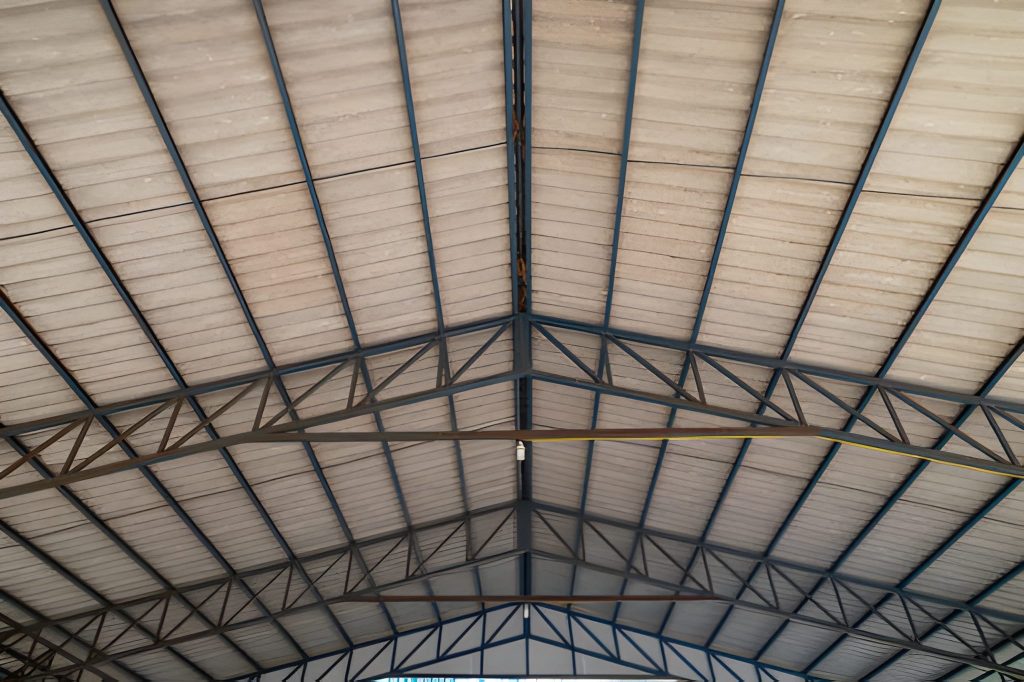
Metal buildings face two core insulation challenges: controlling moisture and maintaining stable temperatures. Both directly affect the lifespan of the structure and the comfort of the people who use it.
Condensation Control and Moisture Protection
Steel conducts heat and cold quickly, which means warm, moist air inside a building can condense on cold metal surfaces. This condensation, often called “sweating,” leads to rust, mold, and deterioration of stored goods or equipment.
We prioritize closed-cell spray foam because it creates an air-tight seal that stops moisture-laden air from reaching the metal surface. Unlike fiberglass batts, spray foam doesn’t absorb water or lose R-value over time.
Key moisture-control considerations include:
- Vapor management on the warm side of the assembly
- Sealing seams and fasteners where air leaks commonly occur
- Roof and wall coverage to prevent isolated cold spots
We assess each building’s use and climate exposure before recommending a specific approach.
Thermal Performance for Year-Round Comfort
A metal building without proper insulation loses heat in winter and gains heat rapidly in summer. This creates uneven temperatures and higher energy costs for heating and cooling systems.
We use closed-cell spray foam to deliver a higher R-value per inch than most alternatives, which helps maintain consistent indoor temperatures across seasons. This matters for both occupied commercial spaces and agricultural buildings housing livestock or equipment sensitive to temperature swings.
We also account for building orientation, roof pitch, and existing HVAC capacity when determining insulation thickness. Proper thermal performance reduces strain on mechanical systems and supports lower utility bills over the life of the building.
Why Choose Us?
Choosing the right team for your metal building insulation can make a big difference in your comfort, energy bills, and peace of mind. At Highbridge Spray Foam, we make the process simple, effective, and stress-free.
Safe and Reliable Materials
We use durable and safe insulation built for metal buildings, keeping them protected from moisture, drafts, and temperature swings.
Experienced and Reliable Team
We handle every project with care, professionalism, and attention to detail. You can count on us to do it right.
Save on Energy Costs
Well-insulated metal buildings use less energy. That means lower bills and smarter spending.
Professional Metal Building Insulation in Fly Creek, NY
Every metal building in Fly Creek, NY needs proper insulation to maintain comfort and energy efficiency throughout the year. Without adequate insulation, metal structures can become extremely hot in summer and lose heat quickly during winter. This can lead to uneven temperatures, drafts, and higher heating and cooling costs. Quality insulation helps create a more comfortable and efficient building in every season.
Metal Building Insulation Explained
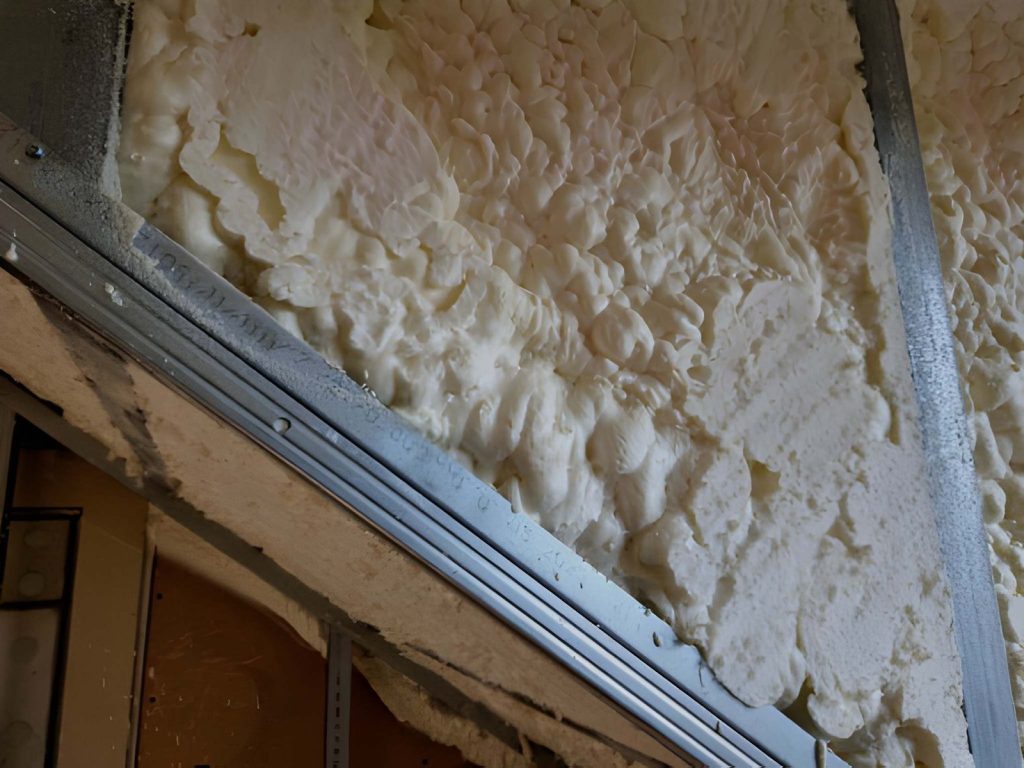
Metal building insulation helps reduce heat transfer and maintain more consistent indoor temperatures. It can also help control condensation and moisture, reducing the risk of rust and corrosion. With professional installation, the right insulation can improve energy efficiency, comfort, and long-term building performance.
Why Your Metal Building Needs Insulation
Proper insulation can reduce energy loss, minimize drafts, and make your building more comfortable year-round. It also provides added protection against moisture-related damage, making it a smart investment for garages, workshops, storage buildings, and commercial structures.
Professional Installation For Onondaga County Properties
Proper insulation results depend on matching the right material to the building’s function and accounting for local weather conditions before work begins. We evaluate both factors during every project we take on in Fly Creek.
Building Use and Insulation Selection
We base our material recommendations on how a building gets used, not just its size or shape.
A workshop with occasional foot traffic has different needs than a heated barn housing livestock or a commercial facility running equipment year-round.
Here’s what we assess:
- Occupancy type: Full-time work areas need higher R-values than storage spaces
- Moisture exposure: Buildings with washdown areas or high humidity require closed-cell foam for its moisture resistance
- Temperature control: Climate-controlled spaces benefit from complete building envelope sealing
- Equipment heat loads: Facilities with machinery may need different insulation placement to manage heat buildup
We walk through each structure with the owner to identify these variables before recommending a product or application method.
Local Climate and Project Planning
Fly Creek winters bring sustained cold and heavy snow loads, both of which affect insulation performance over time.
We plan installations around these seasonal patterns rather than applying a one-size-fits-all approach.
Timing matters too. Spray foam requires specific temperature and humidity ranges to cure correctly, so we schedule projects when conditions support proper application.
We also factor in the region’s freeze-thaw cycles, which can stress a building’s envelope if gaps or thermal bridging exist. Our planning process includes:
- Reviewing the building's orientation and exposure to wind
- Checking for existing moisture or condensation issues
- Confirming ventilation needs alongside insulation upgrades
This upfront planning reduces the likelihood of callbacks and helps the insulation perform as expected through New York’s full range of seasonal conditions.
We Proudly Serve Fly Creek
Improve Your Metal Building Today
Give your metal building the protection and comfort it needs. Contact Highbridge Spray Foam today to discuss your insulation needs in Fly Creek, NY and get started with a professional insulation solution.
TESTIMONIALS


 Trustindex verifies that the original source of the review is Google.
 Trustindex verifies that the original source of the review is Google.
 Trustindex verifies that the original source of the review is Google.
 Trustindex verifies that the original source of the review is Google.
 Trustindex verifies that the original source of the review is Google.
 Trustindex verifies that the original source of the review is Google.
 Trustindex verifies that the original source of the review is Google.
 Trustindex verifies that the original source of the review is Google.
FREQUENTLY ASKED QUESTIONS
Metal building owners in Fly Creek ask us about material choice, cost, and how spray foam handles moisture and condensation. Below are the answers we give most often.
Is spray foam insulation suitable for metal buildings?
Yes. Spray foam adheres directly to metal panels and expands to fill the gaps, seams, and fastener penetrations that batt insulation cannot reach.
We use closed-cell or open-cell formulas depending on the building’s use, whether it’s a shop, barn, or commercial space. Both types bond well to steel and hold their shape through temperature swings.
What are the benefits of insulating a metal building with spray foam?
Spray foam creates an air seal that reduces drafts and stabilizes indoor temperatures year-round. This means less strain on heating and cooling equipment.
It also adds structural rigidity to the panels it covers. Closed-cell foam in particular strengthens walls and roofing against wind and impact.
We also point out that spray foam doesn’t sag, settle, or lose R-value over time the way fiberglass batts can.
How much does it cost to insulate a 30x50 metal building?
For a 30×50 building, costs generally fall in the range of $3,000 to $9,000 depending on foam type, thickness, and R-value target. Closed-cell foam costs more per square foot than open-cell but delivers a higher R-value per inch.
We calculate final pricing based on square footage, ceiling height, and any additional prep work, like removing existing insulation or addressing rust spots before application.
What are the potential downsides of spray foam insulation in a metal building?
Spray foam costs more upfront than fiberglass or rigid board options. It also requires professional application, since improper mixing or spraying can lead to uneven coverage or off-gassing.
Once cured, spray foam is permanent. Removing it later, if repairs to the metal panel are needed, takes more labor than pulling out batt insulation.
Can spray foam insulation help prevent condensation and rust in metal buildings?
Yes, this is one of the main reasons we recommend it for metal structures. Spray foam seals the interior surface of the panels, which stops warm, moist air from contacting cold metal and forming condensation.
Without that moisture barrier, metal buildings are prone to rust, mold, and wood rot in framing members. Spray foam directly addresses that risk by eliminating the temperature differential that causes condensation in the first place.
Which type of spray foam is best for insulating a metal building?
Closed-cell spray foam is our typical recommendation for metal buildings because it acts as both insulation and a vapor barrier in one application. It also adds rigidity to wall and roof panels.
Open-cell foam costs less and provides better sound dampening, but it doesn’t block moisture as effectively. We select between the two based on the building’s climate exposure, intended use, and budget.