
metal building Insulation Port Leyden, NY
Rated 5 Stars on Google
Metal buildings in Port Leyden, NY face constant temperature swings, condensation issues, and energy loss without proper insulation. Spray foam insulation seals gaps, controls moisture, and stabilizes indoor temperatures, which reduces energy costs and protects the structure over time.
We work with homeowners and business owners who rely on their metal buildings for storage, workshops, warehouses, or commercial operations. Uninsulated metal structures allow heat to escape in winter and let interior spaces overheat in summer, forcing HVAC systems to work harder than necessary.
Our approach focuses on identifying the specific insulation needs of each metal building based on its size, use, and existing conditions. We apply spray foam solutions that create an air-tight barrier, addressing both temperature control and moisture management in one process.
Insulation Performance for Metal Structures

Metal buildings face specific challenges due to the thermal properties of steel, and the right insulation directly affects moisture control and energy performance. We evaluate both factors when recommending a system for your building.
Condensation and Moisture Control
Metal conducts heat and cold quickly, which means condensation forms on interior surfaces when warm air meets a cold metal skin. This moisture buildup can lead to rust, mold, and deterioration of structural components over time.
We use closed-cell spray foam because it creates a continuous, seamless barrier that adheres directly to the metal surface. Unlike batt or roll insulation, it leaves no gaps where moisture can collect behind the material.
The dense cell structure of closed-cell foam also resists water absorption. This makes it a practical choice for barns, workshops, and agricultural buildings where humidity levels fluctuate throughout the year.
Energy Efficiency and Indoor Comfort
Uninsulated or poorly insulated metal buildings lose heat rapidly in winter and absorb excess heat in summer. This forces heating and cooling systems to work harder, increasing utility costs.
Spray foam insulation fills wall cavities and adheres to roof lines, eliminating air leaks that occur with rigid board or batt installations. We apply it to seal gaps around seams, fasteners, and structural joints where air infiltration commonly occurs.
Higher R-values per inch mean less material is needed to achieve effective thermal resistance. Common benefits our clients see include:
- Reduced HVAC cycling due to consistent indoor temperatures
- Lower monthly energy bills from reduced air leakage
- More usable space since foam insulation takes up less thickness than some alternatives
These improvements apply to residential, agricultural, and commercial metal structures across Port Leyden and Central New York.
Why Choose Us?
Choosing the right team for your metal building insulation can make a big difference in your comfort, energy bills, and peace of mind. At Highbridge Spray Foam, we make the process simple, effective, and stress-free.
Safe and Reliable Materials
We use durable and safe insulation built for metal buildings, keeping them protected from moisture, drafts, and temperature swings.
Experienced and Reliable Team
We handle every project with care, professionalism, and attention to detail. You can count on us to do it right.
Save on Energy Costs
Well-insulated metal buildings use less energy. That means lower bills and smarter spending.
Metal Building Insulation in Port Leyden, NY
Proper insulation is essential for keeping metal buildings in Port Leyden, NY comfortable, efficient, and protected throughout the year. Without adequate insulation, metal structures can experience extreme indoor temperatures, condensation, heat loss, and increased energy costs.
What Is Metal Building Insulation?
Metal building insulation creates a thermal barrier that helps control heat transfer through the walls and roof. It helps maintain more stable indoor temperatures, reduce drafts, and limit condensation caused by temperature changes. Quality insulation also supports better moisture control and helps protect the building from long-term damage.
Benefits of Metal Building Insulation
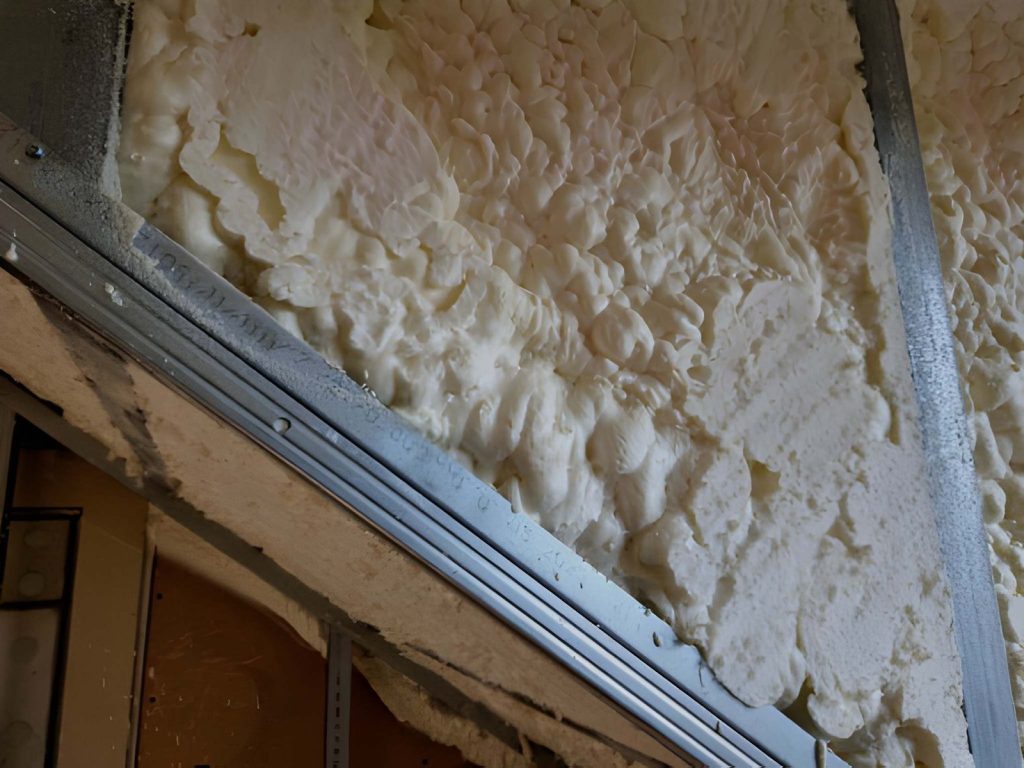
A properly insulated metal building is easier to heat and cool, helping reduce energy demands and improve interior comfort. Professional insulation can also help minimize condensation and moisture concerns while supporting the durability and long-term performance of the structure.
Professional Installation for Port Leyden Properties
Metal buildings, warehouses, and commercial facilities each present different insulation requirements based on structure type, usage, and existing materials. We match spray foam application methods to the specific building we’re working on to achieve consistent coverage and long-term performance.
Spray Foam Options for Building Types
We select between open-cell and closed-cell spray foam based on the structure and its intended use.
- Metal buildings: Closed-cell foam adheres directly to metal panels, reducing condensation and controlling temperature swings common in pole barns and steel structures.
- Warehouses: We often apply higher-density foam to ceilings and wall cavities to manage larger air volumes and support consistent interior temperatures.
- Commercial offices: Open-cell foam works well for interior partitions where soundproofing and moderate thermal control matter more than moisture resistance.
- Residential properties: We assess attic, wall, and crawlspace conditions before recommending foam thickness and type.
Each application accounts for R-value targets and the building’s exposure to Port Leyden’s seasonal temperature range.
Planning a Durable Insulation Upgrade
We start every project with a site assessment to identify air leaks, moisture risks, and existing insulation gaps. This step determines the foam density and application thickness needed for the space.
Our technicians follow manufacturer specifications and local building codes throughout installation. We also factor in ventilation requirements, since spray foam changes how a building manages airflow and humidity.
Before beginning work, we review the project scope with property owners, including estimated timelines and areas requiring preparation. This planning process helps prevent installation issues and supports the foam’s expected lifespan once cured.
We Proudly Serve Port Leyden
Protect Your Metal Building Year-Round
Improve comfort, energy efficiency, and protection with professional metal building insulation from Highbridge Spray Foam in Port Leyden, NY. Reduce heat transfer, control condensation, and help protect your structure for years to come.
Schedule your free inspection or request a quote today!
TESTIMONIALS


 Trustindex verifies that the original source of the review is Google.
 Trustindex verifies that the original source of the review is Google.
 Trustindex verifies that the original source of the review is Google.
 Trustindex verifies that the original source of the review is Google.
 Trustindex verifies that the original source of the review is Google.
 Trustindex verifies that the original source of the review is Google.
 Trustindex verifies that the original source of the review is Google.
 Trustindex verifies that the original source of the review is Google.
FREQUENTLY ASKED QUESTIONS
Metal building owners in Port Leyden ask us similar questions before committing to spray foam insulation. Below, we answer the questions that come up most often about cost, performance, code compliance, and longevity.
Is spray foam insulation suitable for metal buildings?
Yes, spray foam works well on metal buildings because it adheres directly to the panels and fills gaps that other insulation types leave open. Metal expands and contracts with temperature changes, and spray foam moves with it without separating from the surface.
We use closed-cell spray foam on most metal buildings because it resists moisture and adds rigidity to the structure. This matters in agricultural buildings, warehouses, and workshops where condensation on metal panels is a common problem.
How much does it cost to insulate a metal building with spray foam?
Pricing typically falls between $1.20 and $2.50 per square foot, depending on the type of foam and the thickness applied. Open-cell foam sits at the lower end of that range, while closed-cell foam costs more due to its density and moisture resistance.
Final cost also depends on building size, roof pitch, and how much prep work the metal surfaces need before spraying. We provide a written estimate after inspecting the building so owners know the exact cost before work begins.
What are the benefits of spray foam insulation for a metal building?
Spray foam creates an air seal that stops drafts and reduces the load on heating and cooling systems. This translates to lower utility bills for both commercial properties and residential metal structures.
It also controls condensation, which is one of the most common issues in uninsulated metal buildings. Closed-cell foam adds structural rigidity to walls and roof panels, and it does not sag or settle the way some traditional insulation materials do over time.
Are there any drawbacks to using spray foam in a metal building?
Spray foam costs more upfront than fiberglass batts or blown-in insulation. Installation also requires trained applicators, since uneven application can leave gaps or create excess thickness in some areas.
Foam must cure properly, and the building needs to be vacated during application and for a short period afterward due to fumes. Once cured, removal is difficult if changes to the building’s electrical or mechanical systems become necessary later.
Does spray foam insulation meet building code requirements for metal structures?
Spray foam insulation meets current building codes for metal structures when installed to the correct thickness and R-value for the climate zone. Central New York falls into a specific climate zone with defined R-value minimums for walls and roofs, and we install foam to those specifications.
Codes also require a thermal barrier or ignition barrier over exposed spray foam in certain applications, particularly in occupied spaces. We account for these requirements during installation so the finished building passes inspection.
How long does spray foam insulation last in a metal building?
Closed-cell spray foam typically lasts 20 to 30 years without significant degradation when installed correctly. It does not settle, sag, or lose its shape the way fiberglass insulation can over time.
The foam’s lifespan depends on proper installation and protecting it from prolonged UV exposure if left uncovered. In most metal buildings, spray foam outlasts the mechanical systems it was originally installed to protect.