
new construction Insulation Boonville, NY
Rated 5 Stars on Google
New construction is the easiest time to get insulation right. Insulation choices made during framing directly affect energy costs, indoor comfort, and building durability for the life of the structure. Once walls and ceilings are closed in, correcting gaps or weak spots becomes far more difficult and expensive.
We work with homeowners and builders in Boonville, NY to plan insulation before drywall goes up, not after problems appear. Our approach accounts for the region’s cold winters and humid summers, matching insulation type and placement to how the building will actually perform.
Whether you’re building a single-family home or overseeing a commercial project, the decisions made now shape utility bills and occupant comfort for decades.
Insulation Planning for New Builds
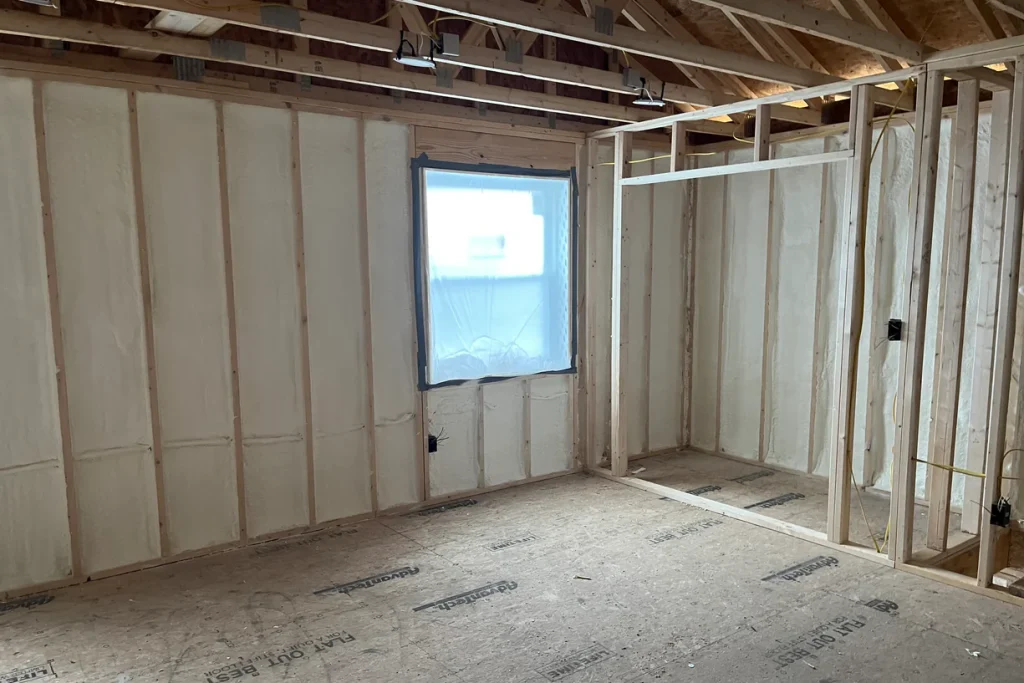
Planning insulation before framing is complete gives us the ability to coordinate the thermal envelope with HVAC, electrical, and plumbing work. This early sequencing prevents gaps, thermal bridging, and conflicts that are far more expensive to fix once walls are closed.
Building Envelope Priorities
We look at the entire envelope as one connected system, not a series of separate components. Walls, roof lines, foundations, and rim joists each need to work together to control heat transfer and moisture movement.
Our priorities on new builds include:
- Continuous air sealing at every penetration, seam, and transition point
- Consistent R-values across walls, attics, and crawl spaces to avoid weak points
- Moisture control at foundations and rim joists, where condensation risk is highest
- Code compliance with current New York State energy requirements
We also account for the specific climate zone the property sits in, since Boonville winters demand a tighter envelope than warmer regions of the state. Getting these details right the first time reduces callbacks and future energy waste.
Choosing Spray Foam for Your Project
We recommend spray foam for new construction because it seals and insulates in a single application, closing gaps that fiberglass batts often miss. Open-cell and closed-cell foam serve different purposes, so we match the product to the specific assembly.
| Foam Type | Best Use | Key Benefit |
|---|---|---|
| Open-cell | Interior walls, attics | Sound dampening, moderate R-value |
| Closed-cell | Rim joists, foundations, exterior walls | Higher R-value, moisture barrier |
Closed-cell foam adds structural rigidity to framed walls, which matters in areas with heavy snow loads. Open-cell foam works well where budget and sound control are higher priorities than moisture resistance.
We base our recommendation on the building’s layout, local climate demands, and the owner’s budget, rather than applying one solution across every project.
Why Choose Us?
Choosing the right insulation team for your new build sets the foundation for a comfortable, energy-efficient, and problem-free home. At Highbridge Spray Foam, we install it right the first time—clean, fast, and built to last.
High-Performance Spray Foam
Our insulation seals gaps and cracks to help stop air leaks. This keeps your home more comfortable in every season.
Clean and Professional Work
We respect your job site and your timeline. Our team works efficiently and keeps the space clean.
Built for Long-Term Value
Good insulation protects your investment. It helps prevent future problems before they start.
New Construction Insulation in Boonville, NY
A new home in Boonville, NY deserves insulation designed for long-term comfort and efficiency. Without proper insulation, even a newly built home can experience heat loss, drafts, uneven temperatures, and unnecessary energy costs. Installing insulation during construction helps address these issues before they become expensive problems.
New Construction Insulation Explained
New construction insulation creates a thermal and air barrier within walls, ceilings, and floors. It helps reduce heat transfer, limit drafts, and maintain more consistent indoor temperatures throughout the year. Proper insulation can also support moisture management and help protect the building envelope.
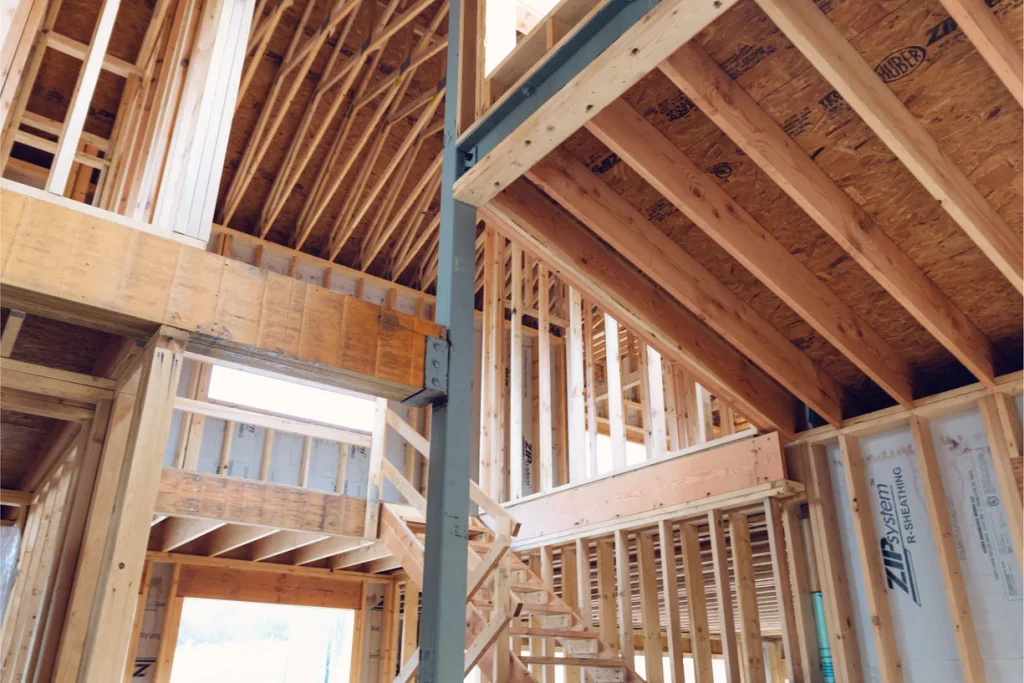
Why It Matters
The right insulation helps keep your home warmer in winter and cooler in summer while reducing heating and cooling demands. Professional installation provides dependable coverage and helps establish a more comfortable, efficient, and durable home from the start.
Project Coordination and Long-Term Value
Spray foam insulation performs best when it is scheduled at the right point in the build and coordinated with other trades. Getting this timing right protects the investment and sets up the building for years of stable performance.
Working With Builders and Owners
We work directly with general contractors, framers, and property owners to fit insulation into the construction schedule without causing delays.
Timing matters. Spray foam typically goes in after rough electrical, plumbing, and HVAC work is complete, but before drywall closes the walls. We coordinate with:
- General contractors to confirm the framing and rough-in inspections are finished
- Electricians and plumbers to verify penetrations and boxes are sealed properly
- HVAC installers to account for ductwork placement and equipment clearances
- Property owners to walk through material choices and coverage areas before application
Clear communication at each phase reduces rework and keeps the project on track for occupancy or handoff.
Energy Performance and Comfort Benefits
Spray foam creates a continuous air barrier that reduces air leakage through walls, attics, and rooflines. This directly lowers heating and cooling loads on HVAC systems.
Homeowners typically notice fewer drafts, more consistent room-to-room temperatures, and reduced noise transfer between floors or exterior walls. Business owners benefit from lower utility costs and less strain on mechanical equipment over time.
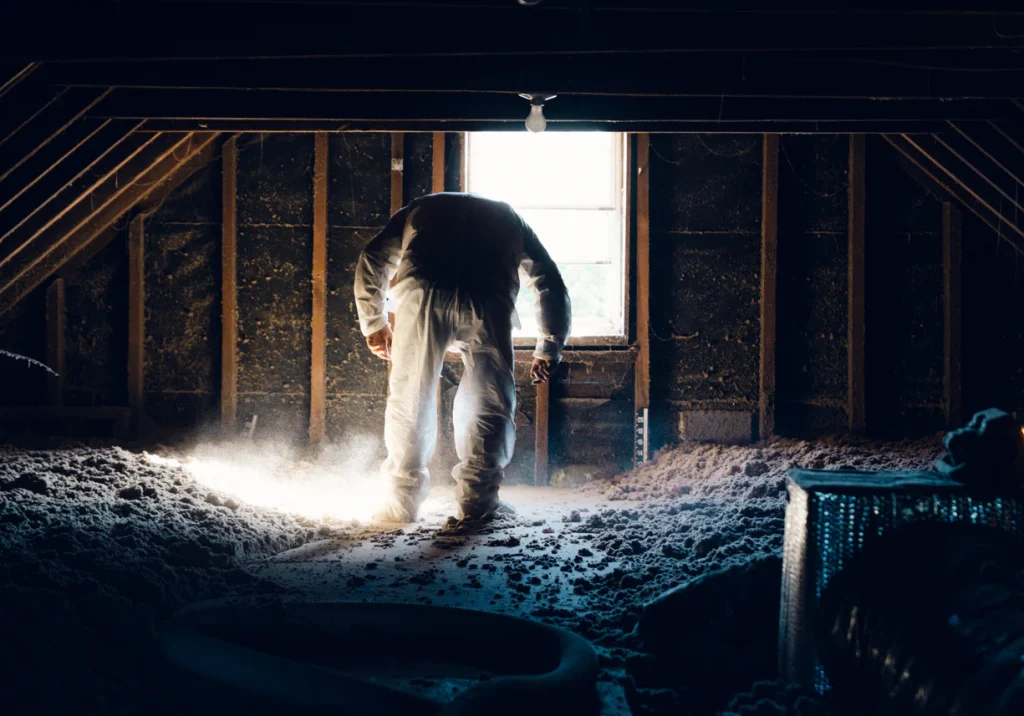
Because the insulation is installed during framing, it fills gaps and cavities that traditional batt insulation often misses. This tighter seal supports long-term energy code compliance and reduces the likelihood of moisture-related issues inside wall assemblies.
We Proudly Serve Boonville
Build Comfort In From the Start
Give your new home in Boonville, NY the insulation it deserves. Highbridge Spray Foam provides professional insulation solutions designed to improve comfort, energy efficiency, and long-term performance.
Schedule your free consultation or request a quote today!
TESTIMONIALS


 Trustindex verifies that the original source of the review is Google.
 Trustindex verifies that the original source of the review is Google.
 Trustindex verifies that the original source of the review is Google.
 Trustindex verifies that the original source of the review is Google.
 Trustindex verifies that the original source of the review is Google.
 Trustindex verifies that the original source of the review is Google.
 Trustindex verifies that the original source of the review is Google.
 Trustindex verifies that the original source of the review is Google.
FREQUENTLY ASKED QUESTIONS
Choosing insulation for a new build involves material selection, timing, and performance expectations. Below, we answer the questions we hear most from homeowners and builders in Boonville, NY.
What insulation options are best for new construction projects?
We typically recommend spray foam, blown-in, or a combination of both, depending on the structure and budget. Open-cell and closed-cell spray foam work well for walls, roofs, and rim joists. Blown-in insulation is often our choice for attics and hard-to-reach cavities.
The right combination depends on the building’s design, climate exposure, and how the space will be used. We assess each project individually before making a recommendation.
How does spray foam insulation improve energy efficiency in a new building?
Spray foam expands on application, filling gaps and cracks that other materials often miss. This creates a continuous air barrier that reduces heat transfer through walls, ceilings, and floors.
Fewer air leaks mean HVAC systems don’t have to work as hard to maintain a set temperature. Over time, this reduces strain on heating and cooling equipment and lowers monthly utility costs.
What is the difference between open-cell and closed-cell spray foam insulation?
Open-cell foam is softer and less dense, making it a cost-effective option for interior walls and areas without moisture exposure. Closed-cell foam is denser, offers a higher R-value per inch, and adds structural rigidity.
We use closed-cell foam in areas prone to moisture, such as basements, crawl spaces, and exterior walls. Open-cell foam is better suited for interior applications where soundproofing and cost matter more than moisture resistance.
When should insulation be installed during the new construction process?
Insulation goes in after the framing, electrical, and plumbing rough-ins are complete, but before drywall installation. This is often called the “pre-drywall” or “rough-in” stage.
Installing insulation at this stage gives us full access to wall cavities, ceilings, and floor systems. Waiting until after drywall is up limits access and increases labor costs significantly.
Can spray foam insulation help control moisture and prevent mold growth?
Closed-cell spray foam acts as a vapor barrier, blocking moisture from passing through walls and ceilings. This reduces the conditions that allow mold and mildew to develop.
We often recommend closed-cell foam for basements, crawl spaces, and other areas where moisture control is a priority. Open-cell foam is more permeable and is generally not used in high-moisture zones for this reason.
How long does spray foam insulation last in a newly constructed home or commercial building?
Spray foam insulation typically lasts as long as the building structure itself, often 80 years or more, without needing replacement. It doesn’t sag, settle, or lose effectiveness the way some traditional insulation materials can over time.
We install spray foam with attention to proper curing and coverage, which supports its long-term performance. Regular building maintenance and moisture control also help preserve its effectiveness over the life of the structure.