
Older homes in Richford face real challenges when it comes to staying comfortable through Tioga County winters and summers. Retrofit insulation upgrades the existing insulation in your home or building without requiring major construction, helping regulate indoor temperatures and reduce energy costs. For homeowners and business owners dealing with drafts, uneven heating, or rising utility bills, this process addresses the root cause rather than masking the symptoms.
We understand that many properties in Richford were built before current energy efficiency standards existed. Walls, attics, and floors often lack adequate insulation, which means heat escapes in winter and cool air escapes in summer. Retrofitting these areas with modern materials closes that gap and improves how your property performs throughout the year.
Our approach focuses on identifying where your building loses energy and applying insulation solutions suited to that specific area. Whether we’re working on a residential attic or a commercial structure, the goal remains consistent: better temperature control and lower energy consumption.
Insulation Options for Existing Properties
6 Home Problems Retrofit Insulation Can Fix
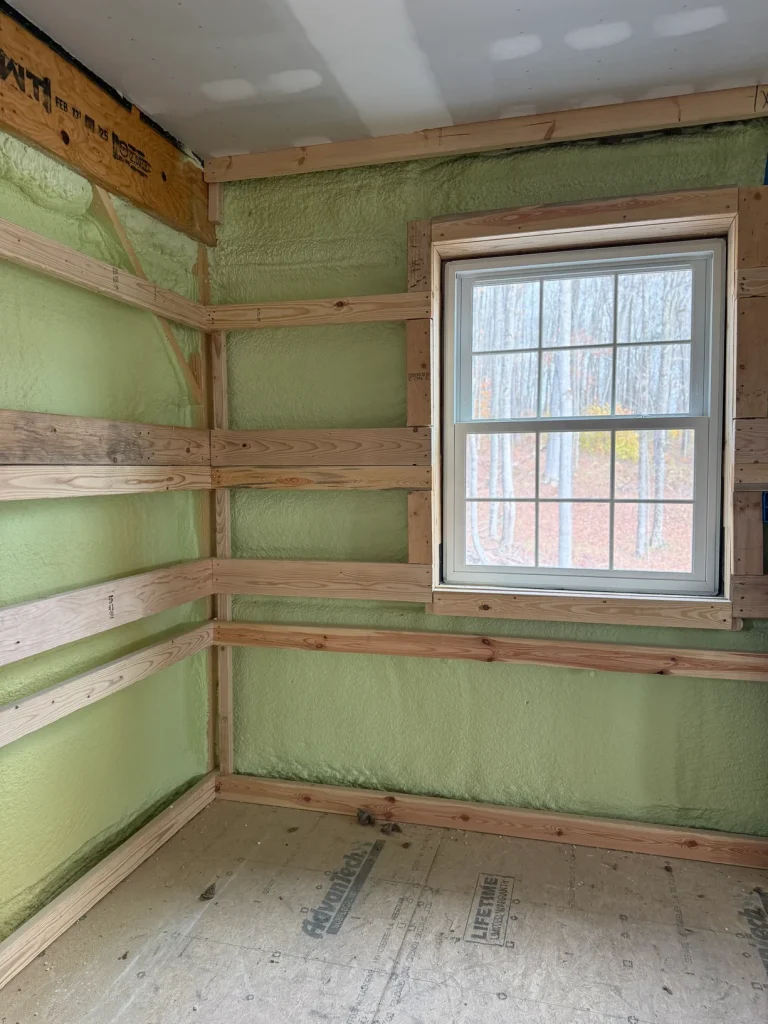
Older homes in Richford often have gaps in insulation coverage that lead to drafts, moisture problems, and higher energy bills. We assess each property individually and recommend the right combination of foam application, air sealing, and moisture control to address these issues directly.
Spray Foam for Walls, Attics, and Crawl Spaces
We install spray foam in the areas where existing homes typically lose the most energy: attics, exterior walls, and crawl spaces. Closed cell foam works well in crawl spaces and foundation walls because it resists moisture and adds structural rigidity. Open cell foam is often better suited for attic spaces, where flexibility and sound dampening matter more than water resistance.
Each area requires a different approach:
- Attics: We spray the underside of the roof deck or the attic floor, depending on whether the space is used for storage or living.
- Walls: We drill small access holes and inject foam into wall cavities without removing drywall.
- Crawl spaces: We apply foam directly to foundation walls, sealing off cold air and blocking moisture from entering the structure above.
Air Sealing and Moisture Control
Insulation performs poorly if air keeps leaking through gaps around windows, doors, and utility penetrations. We seal these areas as part of the retrofit process, since spray foam itself creates an air barrier that stops drafts at the source.
Moisture control matters just as much as air sealing, particularly in crawl spaces and basements where dampness can lead to mold or wood rot. Closed cell foam helps here because it doesn’t absorb water the way fiberglass or cellulose does.
We also check for existing moisture sources, such as leaks or poor drainage, before applying foam. Addressing these problems first ensures the insulation performs correctly and lasts for years without deterioration.
Why Choose Us?
Choosing the right team for your retrofit insulation can transform your home’s comfort, lower energy bills, and give you peace of mind. At Highbridge Spray Foam, we make the retrofit process simple, effective, and stress-free.
Top-Notch Energy Efficiency
Our retrofit insulation seals every gap, keeping heat in during winter and out in summer.
Quality Materials & Workmanship
We use top-grade spray foam insulation and proven techniques to ensure lasting results.
Fast and Hassle-Free Installation
We respect your time and space, completing retrofit projects quickly with minimal disruption.
Retrofit Insulation in Richford, NY
Every home in Richford, NY deserves year-round comfort and energy efficiency. Older or under-insulated homes can lose heated or cooled air through walls, attics, and floors, resulting in drafts, uneven temperatures, and higher energy costs. Retrofit insulation provides an effective way to improve an existing home without major renovations.
What Is Retrofit Insulation?
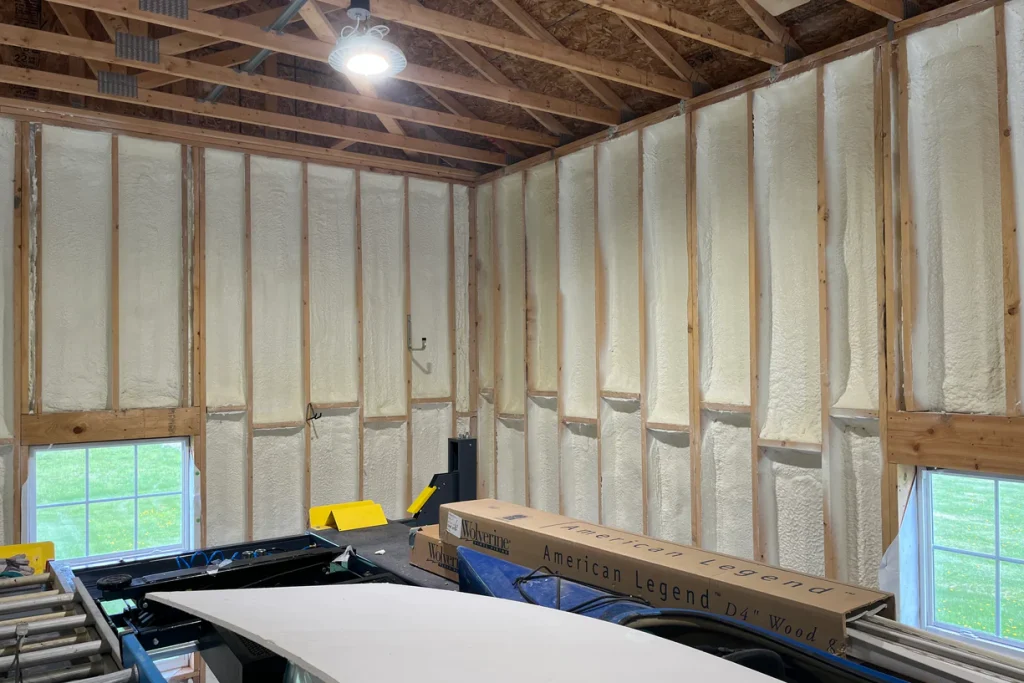
Retrofit insulation involves adding or upgrading insulation in areas where coverage is inadequate or outdated. It helps reduce heat transfer, limit drafts, and maintain more consistent indoor temperatures throughout the year. Proper insulation can also support moisture management and improve overall indoor comfort.
Why Upgrade Your Home’s Insulation?
Upgrading your insulation can help reduce energy waste, improve temperature control, and lower heating and cooling demands. Professional retrofit insulation also provides better coverage and long-term performance, helping make your Richford home more comfortable, efficient, and durable.
Planning a Retrofit Project
A successful retrofit starts with a clear picture of the building’s current condition and ends with measurable improvements in comfort and cost. We walk homeowners and business owners through both stages so expectations match results.
Property Assessment and Installation Scope
We begin every retrofit with an on-site inspection of the attic, walls, crawlspace, and basement. Our licensed technicians check for moisture, mold, and air leaks before measuring existing insulation levels.
This assessment determines the right approach for the property. Depending on the findings, we recommend:
- Spray foam for sealing gaps and stopping air infiltration
- Injection foam for filling existing wall cavities without demolition
- Blown-in insulation for attics and hard-to-reach spaces
We then outline the installation scope, including material type, thickness, and estimated timeline. This gives property owners a clear understanding of the work before it begins.
Energy Efficiency Benefits for Homes and Businesses
Retrofit insulation directly affects how much energy a building uses to stay comfortable. Sealing air leaks and upgrading insulation levels reduces the strain on heating and cooling systems.
For homeowners, this often means lower utility bills and fewer drafts during New York winters. For business owners, the same principles apply on a larger scale, with reduced energy costs across commercial spaces.
We focus on improving R-value where it matters most, since older buildings frequently have inconsistent or degraded insulation. The result is a more stable indoor temperature year-round, achieved without major structural changes to the property.

We Proudly Serve Richford
Upgrade Your Home’s Insulation Today
Make your home in Richford, NY more comfortable and energy-efficient with professional retrofit insulation from Highbridge Spray Foam. Reduce drafts, improve temperature control, and stop wasting energy.
Schedule your free inspection or request a quote today!
TESTIMONIALS


 Trustindex verifies that the original source of the review is Google.
 Trustindex verifies that the original source of the review is Google.
 Trustindex verifies that the original source of the review is Google.
 Trustindex verifies that the original source of the review is Google.
 Trustindex verifies that the original source of the review is Google.
 Trustindex verifies that the original source of the review is Google.
 Trustindex verifies that the original source of the review is Google.
 Trustindex verifies that the original source of the review is Google.
FREQUENTLY ASKED QUESTIONS
Retrofit insulation raises questions about material selection, installation logistics, and cost, especially for older buildings with existing walls, attics, and finished spaces. We answer the questions we hear most often from Richford homeowners and business owners.
What types of insulation are best for existing homes and commercial buildings in Richford, NY?
We typically recommend spray foam or blown-in insulation for retrofit projects because both can be installed without extensive demolition. Spray foam works well in attics, rim joists, and crawl spaces where air sealing matters most.
Blown-in insulation is often the better choice for existing wall cavities, since it can be added through small access holes. We assess each building’s structure and current insulation levels before recommending a specific product.
How much can retrofit insulation improve energy efficiency and reduce utility costs?
Homes and buildings with inadequate insulation often lose significant heat through walls, attics, and floors during winter months. Adding proper insulation reduces this loss and lowers the amount of energy needed to maintain a stable indoor temperature.
The exact savings depend on the building’s current insulation levels, air leakage, and HVAC system efficiency. We measure existing insulation and identify problem areas during our on-site assessment to give property owners a realistic expectation of potential savings.
Can insulation be added to walls, attics, crawl spaces, and basements without major demolition?
Yes, retrofit insulation is designed specifically for this purpose. We use techniques like drilling small holes for blown-in insulation or applying spray foam directly to accessible surfaces in attics and crawl spaces.
This approach avoids tearing into finished walls or ceilings in most cases. Basements and crawl spaces with exposed framing are usually straightforward to insulate without any structural changes.
What is the difference between spray foam insulation and traditional fiberglass or cellulose insulation?
Spray foam expands on application and creates an air seal in addition to providing thermal resistance. Fiberglass and cellulose insulation do not seal air gaps on their own and rely on proper installation to minimize air movement.
- Spray foam: seals cracks and gaps, resists moisture, and adds structural rigidity
- Fiberglass: cost-effective, widely available, but can settle or leave gaps over time
- Cellulose: made from recycled material, works well in attics and walls, but can absorb moisture if not properly installed
We select the material based on the specific area being insulated and the building’s moisture conditions.
How long does a professional retrofit insulation project typically take?
Most residential retrofit projects take one to two days, depending on the size of the home and the areas being insulated. Attic-only projects are often completed within a single day.
Larger commercial buildings or projects that include multiple areas, such as walls, crawl spaces, and attics, may take two to three days. We provide a specific timeline after completing the initial assessment of the property.
Are there rebates, tax credits, or financing options available for insulation upgrades?
Federal tax credits are currently available for qualifying insulation upgrades under energy efficiency programs, and utility companies in New York often offer rebates for insulation projects that meet specific efficiency standards. We help customers understand which programs apply to their project based on the insulation type and building specifications.
Financing options may also be available depending on the scope of the work. We discuss available incentives and payment options during the initial consultation so property owners can plan accordingly.