
A warehouse in Leonardsville, NY faces temperature swings that can affect both workers and stored goods. Extreme heat or cold isn’t just an inconvenience; it drives up energy costs and puts inventory at risk of damage.
Proper insulation addresses these issues directly by regulating temperature, reducing energy waste, and creating safer conditions for employees. We work with warehouse owners to identify where heat and cold air are escaping, then apply solutions built to handle the demands of large commercial spaces.
Insulation quality affects daily operations more than most business owners realize. We focus on practical results: lower utility bills, fewer temperature-related complaints from staff, and better protection for the products stored inside.
Insulation Solutions for Warehouse Performance
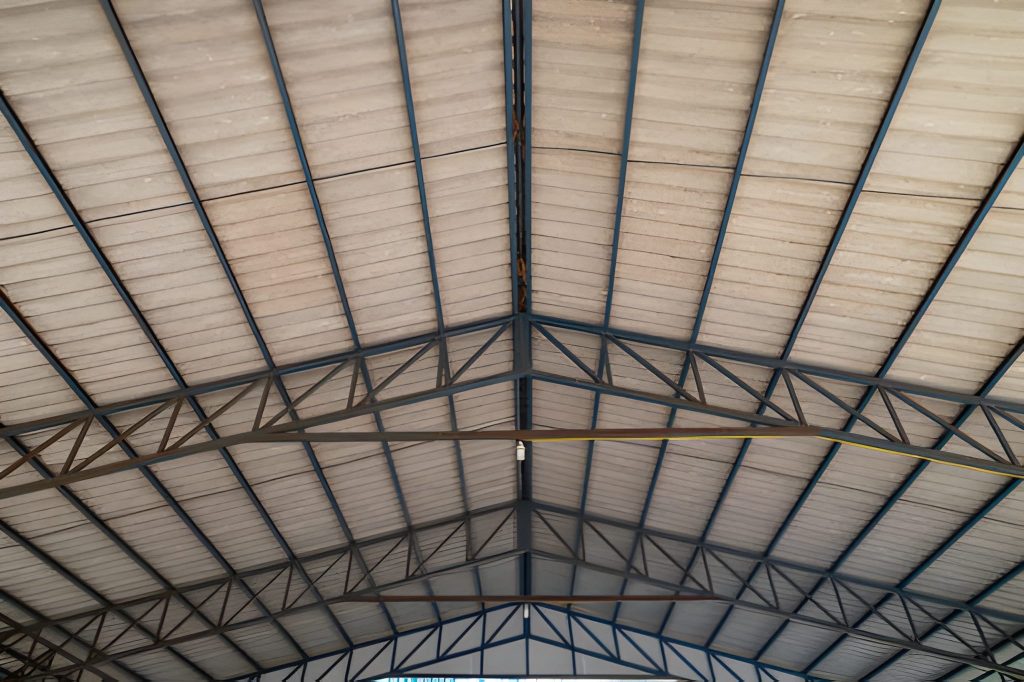
Warehouse insulation affects three areas that determine how well a facility functions: structural application, temperature control, and moisture protection. We apply spray foam to each area based on the specific needs of your building.
Spray Foam for Walls, Roof Decks, and Ceilings
We apply spray foam directly to walls, roof decks, and ceilings to create a continuous thermal barrier. This application method fills gaps and irregularities that other insulation types often miss.
Roof decks in particular benefit from spray foam because it adheres to metal and wood substrates without seams. Walls receive the same treatment, sealing joints where framing meets sheathing.
Ceilings in warehouses with high clearances require insulation that won’t sag or shift over time. Spray foam maintains its position once cured, unlike batt insulation that can settle in vertical or overhead cavities.
We assess the substrate type before application to determine whether open-cell or closed-cell foam suits the surface.
Temperature Control and Energy Efficiency
Consistent temperatures inside a warehouse reduce strain on heating and cooling systems. Spray foam creates a barrier that limits heat transfer through walls and roof assemblies.
This matters for facilities storing temperature-sensitive inventory or housing equipment that requires stable operating conditions. We size insulation thickness according to the R-value needed for your building’s climate zone and use case.
Warehouses with large open floor plans lose conditioned air quickly without proper insulation. Reducing that loss means HVAC systems run less frequently, which lowers utility costs over time.
We factor in ceiling height, dock door placement, and existing ventilation when calculating insulation requirements for each project.
Moisture Management and Air Sealing
Moisture intrusion in warehouses leads to mold growth, material degradation, and compromised air quality. Closed-cell spray foam acts as a vapor barrier, blocking moisture from penetrating wall and roof assemblies.
Air sealing works alongside moisture control to close gaps around:
- Loading dock doors
- Utility penetrations
- Roof-to-wall junctions
- Window and door frames
These gaps allow both air and moisture to bypass the building envelope, undermining insulation performance elsewhere. We seal these points during installation to prevent condensation buildup inside wall cavities.
Warehouses storing paper goods, electronics, or perishable items require tighter moisture control than general storage facilities. We adjust our approach based on what your warehouse holds and how sensitive that inventory is to humidity fluctuations.
Why Choose Us?
Choosing the right team for your warehouse insulation can make a big difference in your comfort, energy bills, and peace of mind. At Highbridge Spray Foam, we make the process simple, effective, and stress-free.
Reliable and Quality Work
Every project is handled with care and attention. We ensure your warehouse stays protected year-round, reducing energy costs and maintenance issues.
Trusted Experts
We have years of experience protecting warehouses from heat, cold, and moisture. Our team knows how to keep your warehouse comfortable, energy-efficient, and safe.
Long-Lasting Results
Our insulation is built to last, improving energy efficiency, protecting your inventory, and creating a better work environment for your team.
Warehouse Insulation Services in Leonardsville, NY
Every warehouse in Leonardsville, NY needs reliable insulation to maintain comfortable temperatures and improve energy efficiency. Poor insulation can cause heat loss, higher energy costs, and uncomfortable working conditions. Professional warehouse insulation helps create a more stable environment while protecting stored products, equipment, and employees.
Warehouse Insulation Services
Warehouse insulation helps reduce heat transfer through walls, roofs, and ceilings. It keeps the building cooler during summer and warmer during winter, helping maintain consistent indoor temperatures and reduce heating and cooling demands. Proper insulation can also help control moisture and condensation.
Benefits of Warehouse Insulation
Installing quality insulation can improve energy efficiency, reduce operating costs, and create a more comfortable workspace. It can also help protect inventory and equipment from temperature and moisture-related issues. For warehouses in Leonardsville, NY, professional insulation is a practical investment for year-round building performance.

Project Planning and Professional Installation
A successful warehouse insulation project starts with an accurate assessment of the building, followed by careful attention to safety codes and material selection. We handle each step directly, then provide a clear estimate before any work begins.
Warehouse Insulation Assessment
We start every project with an on-site evaluation of the warehouse structure. This includes checking wall cavities, ceiling height, roofline design, and existing insulation condition.
We also look at how the space is used. A warehouse storing temperature-sensitive goods has different insulation needs than one used for general storage or light manufacturing.
Our assessment covers:
- Current R-value of existing insulation, if any
- Air leakage points around doors, windows, and loading docks
- Moisture or condensation issues in walls or ceilings
- HVAC system compatibility with proposed insulation upgrades
We use this information to recommend a specific insulation type and thickness rather than a generic solution.
Safety, Code, and Material Considerations
Commercial insulation work must meet local and state building codes, including fire safety standards. Closed-cell spray polyurethane foam is a common choice for warehouses because it combines insulation, air sealing, and moisture resistance in one application.
We follow manufacturer specifications and applicable building codes throughout installation. This includes proper ventilation during application and correct curing times before the space is reoccupied.
Key material factors we evaluate:
| Factor | Why It Matters |
|---|---|
| Fire rating | Required for code compliance in commercial buildings |
| Vapor permeability | Affects moisture control in different climates |
| Thickness | Determines final R-value and insulation performance |
We do not cut corners on code compliance, since improper installation can create safety risks or void warranties.
Request an Estimate From Highbridge Spray Foam
We provide estimates based on the specific size, layout, and insulation needs of your warehouse. There is no standard price, since square footage, ceiling height, and material choice all affect the final cost.
To get started, contact us now. We will schedule a site visit, walk through the assessment process, and answer questions about timeline and material options.
We aim to give you a straightforward estimate with no hidden fees, so you can budget accurately for the project.
We Proudly Serve Leonardsville
Upgrade Your warehouse in Leonardsville, NY for Comfort & Savings!
Keep your warehouse comfortable, quiet, and energy-efficient with Highbridge Spray Foam Warehouse Insulation. Schedule your free inspection or request a quote today!
TESTIMONIALS


 Trustindex verifies that the original source of the review is Google.
 Trustindex verifies that the original source of the review is Google.
 Trustindex verifies that the original source of the review is Google.
 Trustindex verifies that the original source of the review is Google.
 Trustindex verifies that the original source of the review is Google.
 Trustindex verifies that the original source of the review is Google.
 Trustindex verifies that the original source of the review is Google.
 Trustindex verifies that the original source of the review is Google.
FREQUENTLY ASKED QUESTIONS
Warehouse owners in Leonardsville, NY typically have questions about cost, material selection, safety, and timelines before committing to a spray foam project. We answer the questions we hear most often below.
What are the benefits of insulating a warehouse with spray foam?
Spray foam seals gaps, cracks, and voids that other insulation types often miss. This creates an air barrier that reduces drafts and controls moisture buildup inside walls and roofing systems.
We also see clients benefit from improved temperature consistency across large open spaces. Closed-cell spray foam adds structural rigidity to walls and roofs, which can help warehouses withstand wind and moisture exposure over time.
How much does warehouse spray foam insulation cost in Leonardsville, NY?
Costs depend on square footage, ceiling height, and whether we use open-cell or closed-cell foam. Closed-cell foam costs more per board foot but requires a thinner application to reach the same R-value.
We calculate pricing based on a site visit rather than a flat rate, since warehouse layouts vary widely. Older buildings with more air leaks or irregular framing often require additional material and labor.
Which type of insulation is best for a warehouse building?
Closed-cell spray polyurethane foam is our recommendation for most warehouse applications. It combines a high R-value per inch with built-in moisture resistance and air sealing, so we don’t need to layer on separate vapor barriers.
Open-cell foam can work in interior partition walls where moisture exposure is low and budget is a bigger concern. For buildings with strict fire or acoustic requirements, we sometimes pair spray foam with rock wool in specific areas.
Can spray foam insulation help reduce warehouse energy costs?
Yes. By sealing air leaks around doors, loading docks, and roof penetrations, spray foam reduces the amount of conditioned air that escapes the building.
We find that warehouses with older insulation or none at all see the largest drop in heating and cooling costs after installation. The exact savings depend on building size, current insulation levels, and local utility rates.
Is spray foam insulation safe for commercial warehouse applications?
Spray foam is safe once fully cured, and it meets current building code requirements for commercial structures. During application, we follow standard safety protocols, including proper ventilation and personal protective equipment for our crew.
We recommend that warehouse staff stay out of the treated area during application and for a set curing period afterward. Once cured, the foam is inert and doesn’t off-gas under normal operating conditions.
How long does warehouse insulation installation take?
Installation time depends on the size of the warehouse and the scope of the project. A single-day turnaround is common for smaller buildings or targeted areas like loading docks and office partitions.
Larger facilities with full wall and roof coverage may take several days. We schedule installations around your operating hours when possible to limit disruption to daily business activities.